Teacher
Mengelola kelas besar dengan sumber daya terbatas | Basa Basi Mitsy
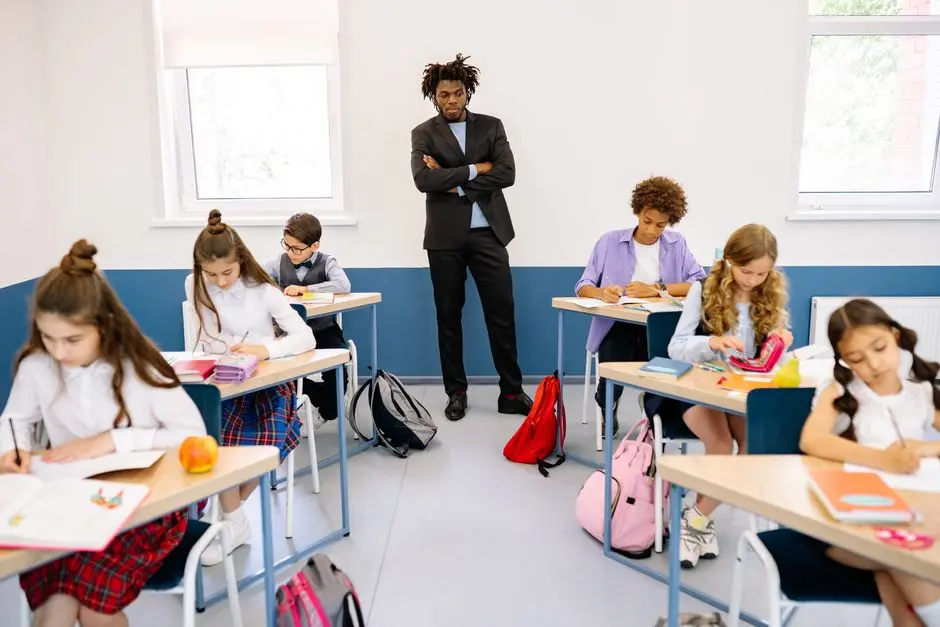
Jam 8 pagi saya masuk kelas Year 10 History dengan 32 siswa, proyektor yang butuh waktu lima menit buat nyala, plus satu set kertas sumber yang baru selesai difotocopy jam 7 pagi. Mengelola kelas besar dengan sumber daya terbatas memang bukan teori yang rapi, tapi praktik harian di sekolah saya. Basa Basi Mitsy ini semacam buku catatan mengajar, tempat saya simpan trik yang beneran jalan pas budget dan kesabaran lagi tipis.
Kadang saya tiba jam 8, sebntar sebelum homeroom duty, lalu lanjut dua jam Year 9 Indonesian sebelum History. Saya nggak punya solusi ajaib, tapi saya punya sistem yang bikin 32 remaja tidak berubah jadi chaos, tanpa perlu mencetak empat puluh booklet. Kemarin, spidol whiteboard saya hilang yang kedua, tapi pelajaran tetap jalan karena rutinitas sudah jelas.

Mulai dari Peta Kursi, Bukan dari Anggaran
Peta kursi is the cheapest classroom management tool I own. Di awal semester, saya tidak menyusun siswa by alphabet. I place the students who need more reading support near the front left, by the window, so they can access the board and my desk without walking through the whole room. The chatty but capable students I park near the edge, not because they are bad, tetapi karena mereka bisa work independently and I need the middle to be calm.
Saya bilang sama Year 11, “Peta kursi ini bukan hukuman, ini zona kerja.” Mereka laugh a little, but after two weeks they stop complaining. The secret is to change the map every three or four weeks after you observe the noise pattern. Hari Rabu lalu, a student named Jas moved to the back row, and suddenly the back corner stopped being a social club. Satu perubahan kecil, hasilnya langsung terasa bangeet.
The map also saves time ketika ada relief teacher. I keep a printed copy on my desk and one inside the roll folder. Kalau saya absent, the casual teacher can point to the board and say “Duduk sesuai peta.” No resource needed except paper and maybe blu tack.
Peer Tutoring di Kelas Besar: Bahasa Indonesia dan History
Pair work adalah cara saya menggantikan individual worksheets ketika mesin fotocopy rusak atau budget bilang tidak. Di kelas Bahasa Indonesia, I pair one stronger speaker with one who is still struggling. The rule is simple: bicara pelan, lalu bergantian. One student asks “Jam berapa sekolah mulai?” and the other answers, then they swap. I do not need to print 30 copies of a dialogue. Saya write the sentence frames on the board once.
In History, the same structure works for source analysis. I give each pair one laminated source card, maybe a 1917 conscription poster or a short ancient Rome inscription. They have three minutes to circle one word they do not understand, then two minutes to share with the pair behind. It sounds slow, but 32 students stay busy and I am not running around handing out paper.
Data from the 2018 OECD TALIS survey showed Australian lower secondary teachers work an average of 44.5 hours per week. I felt that number in my bones. This is exactly why I use peer tutoring, not because it is trendy, tapi karena it cuts my prep time while making students talk more.
Rotasi Stasiun Tanpa Fotocopy Berlebih
The photocopier is my frenemy. Some weeks the budget for printing is already gone by Tuesday, jadi saya beralih ke rotasi stasiun. I split the class into four groups. Station one reads a short worksheet that lives inside a plastic sleeve. Station two writes answers on mini whiteboards. Station three does a speaking prompt in Bahasa Indonesia. Station four matches timeline cards from the ancient Roman kingdom to the late Republic.

Each station lasts six minutes, then I clap twice and they move. The first time terasa chaotic, tapi after two rounds students know the drill. Yang penting adalah every station uses the same materials again next class. Laminated cards and plastic sleeves are not free, but they last longer than 100 photocopied pages per day.
Bahkan di Year 12 History, rotasi stasiun bisa work untuk revision. I put one essay question per table and ask students to write only the introduction. They move after seven minutes and peer check the previous table. It saves paper, keeps movement, and gives me twenty minutes to sit with the students who need a quiet conversation about their essay plan.
Rutinitas Homeroom untuk Year 9-12
Homeroom sering dianggap time to do the roll and make announcements, tapi dengan 28 sampai 32 students yang datang dari different buildings, it can turn into noise spillover. I use a five minute check-in called “Satu kata hari ini.” Setiap siswa menyebut one word in English or Indonesian that describes their morning. It could be “ngantuk,” “stressed,” “footy,” or just “salted caramel.” I write the tally on the board.
This simple ritual works karena semua siswa sudah tahu what to do the moment they sit down. No worksheets, no laptop login, no complicated instructions. I also keep a small green folder for Year 11 welfare notes. Kalau ada students yang seems quiet for two days, saya catat and follow up during the lesson, bukan saat lunch duty.
Metal, my older cat, has a weird habit of sitting on my attendance folder at home. Mitsy prefers to knock my red pen off the table. That might sound unrelated, but the cats teach me one thing: small, repeated routines are easier to maintain than big dramatic changes.